Why Your Oakmont HVAC System Might Be Spreading Mold Through the Air Ducts
Your home should feel safe and comfortable. But when you breathe in air filled with mold spores, that sense of security disappears. Many Oakmont homeowners notice strange odors or worsening allergies and never connect the problem to their HVAC system. The truth is your heating and cooling system can quietly spread mold through every room if conditions are right.
Pittsburgh’s climate creates perfect conditions for mold growth in HVAC systems. High summer humidity combined with winter condensation in uninsulated ducts provides moisture mold needs to thrive. When spores from a small leak or basement flood get pulled into your system, they can multiply rapidly inside dark ducts and on cooling coils.
The good news is you can identify and fix this problem. Understanding how mold enters your system and what signs to watch for gives you the power to protect your family’s health. Let’s examine the symptoms, causes, and solutions for mold in your Oakmont home’s air ducts. Black Mold Symptoms.
Common Physical Symptoms of Mold Exposure
Mold exposure affects people differently based on age, health conditions, and sensitivity levels. Some people experience immediate reactions while others develop symptoms gradually over months of exposure.. Read more about Identifying the health signs of mold exposure in your McKeesport residence.
Respiratory issues often appear first. You might notice persistent coughing that worsens when your AC or heat runs. Many people experience wheezing, shortness of breath, or a feeling of tightness in the chest. These symptoms can mimic seasonal allergies but persist year-round.
Allergic reactions are another common sign. Your eyes may become red, itchy, or watery. You might develop a runny nose or experience frequent sneezing fits. Some people report skin irritation including rashes or unexplained itching. Who to call for emergency water removal in Pittsburgh right now.
Fatigue and headaches can also indicate mold exposure. You may feel unusually tired even after adequate sleep. Some people experience difficulty concentrating or memory problems they cannot explain. Cleaning up after a kitchen flood in your Fox Chapel home.
Children, elderly family members, and those with asthma or compromised immune systems face higher risks. If someone in your home falls into these categories and experiences these symptoms, your HVAC system deserves immediate investigation.
Mechanical Red Flags: How Your HVAC Warns You
Your HVAC system often provides clear warning signs before serious mold problems develop. Learning to recognize these mechanical symptoms can save you from extensive damage and health issues.
Musty odors when your system starts are often the first indicator. This smell resembles damp earth or old books. You might notice it more strongly near vents or when your system first turns on after sitting idle.
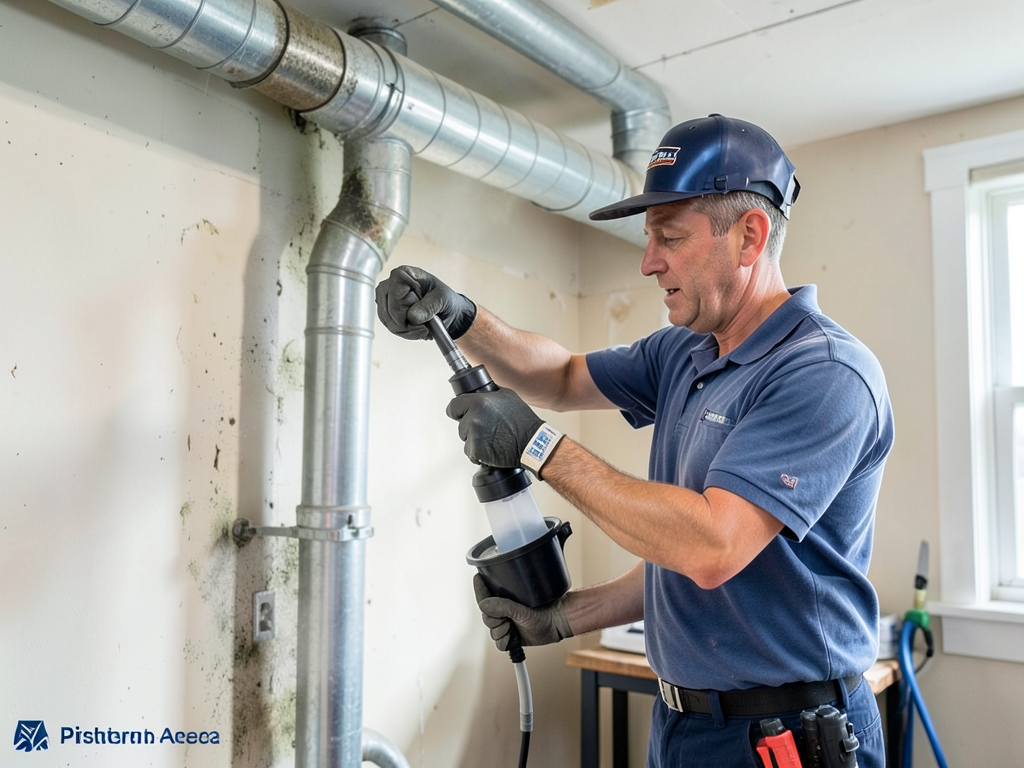
Visible spotting on vent covers deserves immediate attention. Black, green, or brown spots around registers indicate mold colonies growing inside your ducts. These spots may look fuzzy or have a slimy texture.
Excessive dust near registers suggests your system is circulating more than just air. If you notice thick dust buildup that returns quickly after cleaning, mold spores could be part of the problem.
Condensation on vents or registers points to moisture problems. When warm, humid air hits cold metal surfaces, water droplets form. This moisture feeds mold growth inside and around your vents. Expert water damage restoration for businesses in the Pittsburgh Strip District.
Unusual system cycling or reduced airflow might indicate mold buildup on coils or in ducts. Your system works harder to push air through restricted passages, leading to higher energy bills and inconsistent temperatures.
The Pittsburgh Connection: Why Our Climate Promotes Duct Mold
Pittsburgh’s unique climate creates conditions that make mold growth in HVAC systems almost inevitable without proper maintenance. Understanding these local factors helps you take appropriate preventive measures.
Summer humidity in the Pittsburgh area routinely exceeds 70 percent. When this moist air enters your home, your AC system must remove that moisture to cool effectively. This process creates condensation on coils and in drain pans.
Winter freeze-thaw cycles affect homes throughout Oakmont and surrounding areas. When temperatures fluctuate around freezing, condensation forms in uninsulated ducts. This moisture provides perfect growing conditions for mold spores.
Many Pittsburgh homes, especially those built before 1980, have ductwork in unconditioned spaces like basements or attics. These areas experience significant temperature swings and moisture problems that contribute to mold growth.. Read more about Why your Scott Township attic is damp even though your roof is brand new.
The Allegheny County Health Department reports that Pittsburgh’s average annual humidity ranks among the highest in the northeastern United States. This persistent moisture in the air means your HVAC system constantly battles humidity levels that promote mold growth. EPA mold information.
Local building practices also play a role. Many older Pittsburgh homes have complex duct systems with numerous joints and connections where moisture can accumulate. These design features create more opportunities for mold to establish colonies.
DIY Inspection vs. Professional Mold Testing
Homeowners can perform basic inspections to check for visible mold, but professional testing provides definitive answers about air quality and hidden mold problems.
Safe DIY checks include examining vent covers for visible growth, checking drain pans for standing water, and looking for water stains around registers. You can also sniff for musty odors near vents when your system runs.
However, professional testing becomes necessary when symptoms persist or you suspect hidden mold. Certified inspectors use specialized equipment to detect mold spores in air samples and identify specific species present.
The EPA recommends professional testing when you cannot identify the source of mold odors or when family members experience unexplained health symptoms. Professional testing also documents conditions for insurance claims or real estate transactions.
Professional inspectors typically collect air samples from multiple rooms and compare them to outdoor samples. They may also use borescopes to examine inside ducts without damaging your system.
Cost factors vary by testing scope. Basic air quality tests start around $300 while comprehensive inspections with multiple samples and detailed reports can exceed $800. Many companies offer free initial consultations to assess your situation.
Professional Remediation Process
Professional mold remediation follows established protocols to ensure complete removal and prevent recurrence. The process goes far beyond simple duct cleaning to address the root causes of mold growth.
Initial assessment involves detailed inspection of your entire HVAC system. Technicians examine ductwork, coils, drain pans, and all components for visible mold growth and moisture problems.
Containment procedures prevent mold spores from spreading during cleaning. Technicians seal off work areas and use negative air pressure to keep contaminated air contained.
Cleaning involves specialized equipment including HEPA vacuums that capture microscopic spores. Technicians remove all visible mold growth and clean surfaces with antimicrobial solutions approved by the EPA.
Sanitization addresses areas where mold might regrow. This includes treating coils, drain pans, and duct surfaces with preventive solutions that inhibit future growth.
Moisture control forms the final step. Technicians identify and fix sources of excess moisture, whether from leaks, poor insulation, or humidity problems. This prevents mold from returning after cleaning.
The entire process typically takes one to three days depending on system size and contamination level. Most homeowners notice improved air quality within 24 hours of completion.
Preventing Future Mold Growth in Your HVAC System
Prevention requires ongoing attention to moisture control and system maintenance. Simple steps can significantly reduce your risk of future mold problems.
Maintain indoor humidity between 30 and 50 percent. Use dehumidifiers in basements and consider whole-house dehumidification systems for Pittsburgh’s humid climate.
Change air filters monthly during peak cooling and heating seasons. High-quality HEPA filters capture more spores and other contaminants before they enter your system.
Schedule annual professional maintenance for your HVAC system. Technicians can identify and address small problems before they become major issues.
Check for and repair any water leaks around your home promptly. Even small leaks can create moisture problems that affect your entire HVAC system.
Ensure proper drainage from your AC unit. Clear condensate drain lines regularly and check that water flows away from your foundation.
Consider upgrading older ductwork. Modern insulated ducts reduce condensation problems and improve energy efficiency.
When to Call for Professional Help
Some mold problems require immediate professional intervention. Understanding when to call for help can prevent extensive damage and health risks.
Call immediately if you discover extensive visible mold growth on vents or registers. Large colonies indicate serious problems requiring professional equipment and techniques.
Seek help if family members experience severe allergic reactions or respiratory distress that improves when away from home. These symptoms suggest significant mold contamination.
Contact professionals if you notice persistent musty odors that cleaning cannot eliminate. Hidden mold in ducts often produces odors that DIY cleaning cannot address.
Professional help becomes essential when dealing with HVAC systems in homes with compromised occupants. Children, elderly family members, and those with respiratory conditions need immediate attention to mold problems. Dealing with a flooded basement in Mount Lebanon without losing your mind.
Insurance considerations also matter. Many policies require professional assessment and remediation to cover mold damage claims. DIY attempts can void coverage.
Cost Factors for Mold Remediation
Understanding cost factors helps you budget for professional services and avoid unexpected expenses. Several variables affect the total cost of mold remediation.
System size directly impacts cost. Larger homes with extensive duct networks require more time and materials to clean thoroughly.
Contamination severity affects pricing. Light surface mold costs less to remove than extensive growth throughout your system.
Accessibility issues can increase costs. Hard-to-reach ducts or complex system configurations require more labor and specialized equipment.
Additional repairs add to total costs. Fixing water leaks, replacing damaged insulation, or upgrading components increases the overall investment.
Geographic location affects pricing due to local labor rates and material costs. Pittsburgh-area rates typically fall in the middle range compared to national averages.
Most professional remediation costs range from $1,500 to $5,000 for residential systems. Severe cases or commercial properties can exceed $10,000.
Health Impact of Professional Remediation
Professional mold remediation provides significant health benefits beyond just cleaner air. Understanding these impacts helps you appreciate the value of professional services.
Respiratory symptoms often improve within days of professional cleaning. Many people report easier breathing and reduced coughing almost immediately.
Allergy symptoms typically decrease significantly after remediation. Red, itchy eyes and nasal congestion often resolve completely.
Sleep quality frequently improves when mold is removed from your environment. Many people report better rest and reduced nighttime coughing.
Energy levels often increase as your body stops fighting constant allergen exposure. This improvement can be dramatic for those who didn’t realize how much mold was affecting them.
Long-term health benefits include reduced risk of developing chronic respiratory conditions and improved immune system function.
Local Resources and Support
Oakmont and Pittsburgh-area residents have access to excellent resources for dealing with HVAC mold problems. Local expertise understands our unique climate challenges.
The Allegheny County Health Department provides guidance on indoor air quality issues and can recommend certified professionals for testing and remediation.
Local HVAC contractors familiar with Pittsburgh’s climate can provide preventive maintenance and early detection of potential problems.
Community resources like neighborhood associations often share recommendations for trusted service providers who understand local building conditions.
Insurance agents familiar with Pittsburgh’s weather patterns can help you understand coverage options for mold-related damage.
Local universities sometimes offer air quality testing services or can refer you to certified professionals.
Building supply stores in the area carry products specifically designed for Pittsburgh’s humidity levels and temperature ranges.
Frequently Asked Questions
How quickly can mold grow in HVAC systems?
Mold can begin growing within 24 to 48 hours when moisture and organic material are present. In Pittsburgh’s humid climate, conditions often favor rapid mold growth year-round.
Can I clean mold from my air ducts myself?
Small visible spots on vent covers can be cleaned with appropriate solutions, but hidden mold in ducts requires professional equipment and techniques to ensure complete removal and prevent spore spread.
Will mold in my HVAC system make me sick?
Yes, mold in HVAC systems can cause respiratory issues, allergic reactions, and other health problems. The severity depends on mold type, exposure duration, and individual sensitivity levels.
How often should I have my HVAC system inspected for mold?
Annual professional inspections are recommended for most homes. Homes in humid areas like Pittsburgh or those with previous mold issues may need inspections every six months.
Does homeowners insurance cover mold remediation?
Coverage varies by policy and cause of mold. Many policies exclude mold damage but may cover remediation if mold results from a covered peril like a burst pipe. For more information, visit CDC mold frequently asked questions.
{
“@context”: “https://schema.org”,
“@type”: “BlogPosting”,
“headline”: “Why your Oakmont HVAC system might be spreading mold through the air ducts”,
“description”: “Learn how Pittsburgh’s humid climate and older HVAC systems create mold problems. Discover symptoms, health risks, and professional solutions for clean air.”,
“wordCount”: 2078,
“datePublished”: “2026-04-27T11:54:00.000Z”,
“dateModified”: “2026-04-27T11:54:00.000Z”,
“inLanguage”: “en-US”,
“mainEntityOfPage”: {
“@type”: “WebPage”,
“@id”: “https://reliancewaterdamagerestorationpittsburgh.com”
},
“publisher”: {
“@type”: “LocalBusiness”,
“name”: “Reliance Water Damage Restoration Pittsburgh”,
“url”: “https://reliancewaterdamagerestorationpittsburgh.com”
},
“author”: {
“@type”: “Organization”,
“name”: “Reliance Water Damage Restoration Pittsburgh”,
“url”: “https://reliancewaterdamagerestorationpittsburgh.com”
},
“image”: {
“@type”: “ImageObject”,
“url”: “https://reliancewaterdamagerestorationpittsburgh.com/wp-content/uploads/2026/03/why-your-oakmont-hvac-system-might-be-spreading-mo-1.png”
}
}
{
“@context”: “https://schema.org”,
“@type”: “LocalBusiness”,
“name”: “Reliance Water Damage Restoration Pittsburgh”,
“url”: “https://reliancewaterdamagerestorationpittsburgh.com”,
“address”: {
“@type”: “PostalAddress”,
“addressLocality”: “Pittsburgh”
},
“areaServed”: {
“@type”: “City”,
“name”: “Pittsburgh”
}
}
{
“@context”: “https://schema.org”,
“@type”: “FAQPage”,
“mainEntity”: [
{
“@type”: “Question”,
“name”: “How quickly can mold grow in HVAC systems?”,
“acceptedAnswer”: {
“@type”: “Answer”,
“text”: “Mold can begin growing within 24 to 48 hours when moisture and organic material are present. In Pittsburgh’s humid climate, conditions often favor rapid mold growth year-round.”
}
},
{
“@type”: “Question”,
“name”: “Can I clean mold from my air ducts myself?”,
“acceptedAnswer”: {
“@type”: “Answer”,
“text”: “Small visible spots on vent covers can be cleaned with appropriate solutions, but hidden mold in ducts requires professional equipment and techniques to ensure complete removal and prevent spore spread.”
}
},
{
“@type”: “Question”,
“name”: “Will mold in my HVAC system make me sick?”,
“acceptedAnswer”: {
“@type”: “Answer”,
“text”: “Yes, mold in HVAC systems can cause respiratory issues, allergic reactions, and other health problems. The severity depends on mold type, exposure duration, and individual sensitivity levels.”
}
},
{
“@type”: “Question”,
“name”: “How often should I have my HVAC system inspected for mold?”,
“acceptedAnswer”: {
“@type”: “Answer”,
“text”: “Annual professional inspections are recommended for most homes. Homes in humid areas like Pittsburgh or those with previous mold issues may need inspections every six months.”
}
},
{
“@type”: “Question”,
“name”: “Does homeowners insurance cover mold remediation?”,
“acceptedAnswer”: {
“@type”: “Answer”,
“text”: “Coverage varies by policy and cause of mold. Many policies exclude mold damage but may cover remediation if mold results from a covered peril like a burst pipe. For more information, visit CDC mold frequently asked questions.”
}
}
]
}
{
“@context”: “https://schema.org”,
“@type”: “BreadcrumbList”,
“itemListElement”: [
{
“@type”: “ListItem”,
“position”: 1,
“name”: “Home”,
“item”: “https://reliancewaterdamagerestorationpittsburgh.com”
},
{
“@type”: “ListItem”,
“position”: 2,
“name”: “Blog”,
“item”: “https://reliancewaterdamagerestorationpittsburgh.com/blog”
},
{
“@type”: “ListItem”,
“position”: 3,
“name”: “Why your Oakmont HVAC system might be spreading mold through the air ducts”
}
]
}
{
“@context”: “https://schema.org”,
“@type”: “Service”,
“serviceType”: “Water Damage Restoration”,
“provider”: {
“@type”: “LocalBusiness”,
“name”: “Reliance Water Damage Restoration Pittsburgh”,
“url”: “https://reliancewaterdamagerestorationpittsburgh.com”
},
“areaServed”: {
“@type”: “City”,
“name”: “Pittsburgh”
},
“description”: “Learn how Pittsburgh’s humid climate and older HVAC systems create mold problems. Discover symptoms, health risks, and professional solutions for clean air.”
}