How hard water is quietly ruining the pipes in your West Mifflin home
West Mifflin homeowners are facing a silent plumbing crisis. The water flowing through your pipes contains high levels of dissolved calcium and magnesium minerals that slowly eat away at your plumbing system from the inside out. These mineral deposits build up over time creating a chalky white substance called limescale that narrows your pipes and increases water pressure until something gives way. Who to call for emergency water removal in Pittsburgh right now.
The Pittsburgh Water and Sewer Authority reports that West Mifflin’s water hardness averages 180-220 milligrams per liter, which falls into the “very hard” category on the water quality scale. This mineral-rich water is particularly aggressive on older galvanized steel pipes common in homes built before 1970. The result is a ticking time bomb that can cause sudden pipe bursts, flooding, and extensive water damage to your home’s structure. Pittsburgh Water and Sewer Authority.
Understanding hard water in Western Pennsylvania
Western Pennsylvania’s geology creates the perfect conditions for hard water. The region’s limestone bedrock naturally dissolves into groundwater as it travels through underground aquifers. By the time this water reaches your tap, it carries a heavy load of dissolved minerals that make it “hard.” Expert water damage restoration for businesses in the Pittsburgh Strip District.
Hard water is measured in grains per gallon (GPG) or milligrams per liter (mg/L). Water with more than 10.5 GPG is considered very hard. Pittsburgh’s water typically ranges from 10-15 GPG, with West Mifflin on the higher end of that scale due to its proximity to limestone-rich areas. Large Scale Water Extraction.
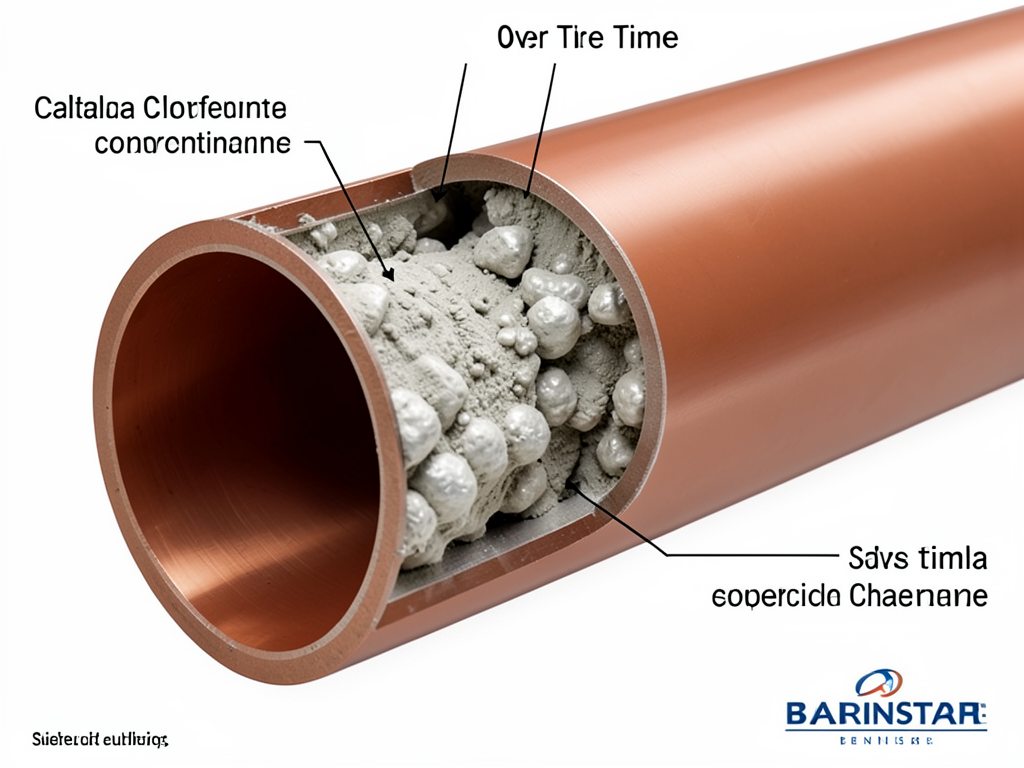
A cross-section diagram showing calcium carbonate buildup inside a copper pipe over time, with mineral deposits visibly narrowing the pipe diameter.
How hard water destroys your plumbing system
The destruction happens through a chemical process called precipitation. When hard water is heated or experiences pressure changes, the dissolved calcium and magnesium separate from the water and form solid deposits on pipe walls. This process accelerates in hot water pipes, water heaters, and areas where water flow is restricted.. Read more about What to Do When Your Water Softener Leaks and Floods the South Hills Utility Room.
Over months and years, these deposits create a rough, uneven surface inside your pipes. Water flow becomes turbulent instead of smooth, creating pressure points that weaken pipe walls. The buildup also provides perfect surfaces for bacteria to grow, creating biofilm that further degrades your plumbing.
Eventually, the combination of restricted flow, increased pressure, and weakened pipe walls leads to failure. Pinhole leaks develop when the pipe wall becomes too thin to withstand water pressure. These tiny leaks can go unnoticed for weeks, causing slow but steady water damage to walls, floors, and ceilings.
5 warning signs of hard water damage
Recognizing the early signs of hard water damage can save you thousands in restoration costs. Here are the five most common indicators that your West Mifflin home is suffering from mineral buildup:. Read more about Hidden Signs Your Old Radiator Is Leaking Inside Your Edgewood Home Walls.
- White crusty deposits on faucets and showerheads – This visible limescale forms when hard water evaporates, leaving behind mineral deposits. If you see this on the outside of your fixtures, imagine what’s happening inside your pipes.
- Reduced water pressure throughout your home – As mineral deposits narrow pipe diameter, water flow decreases. You might notice weak shower spray or slow-filling washing machines.
- Strange noises from your plumbing – Mineral buildup creates rough surfaces that cause water turbulence. This results in knocking, banging, or whistling sounds when you use water.
- Water heater problems – Hard water causes scale buildup on heating elements, reducing efficiency and causing premature failure. You might notice longer heating times or inconsistent water temperature.
- Stained sinks and tubs – The same minerals that damage your pipes leave behind orange or brown stains on porcelain surfaces, especially around drains.
The impact on home appliances
Hard water damage extends far beyond your pipes. Every water-using appliance in your West Mifflin home is vulnerable to mineral buildup. Dishwashers develop scale on heating elements, reducing cleaning effectiveness and potentially causing leaks. Washing machines experience reduced water flow that prevents proper rinsing, leaving clothes dingy and stiff. Cleaning up after a kitchen flood in your Fox Chapel home.
Water heaters are particularly susceptible to hard water damage. A typical 40-gallon water heater in a hard water area can accumulate 15-40 pounds of scale per year. This buildup insulates the heating element from the water, forcing the unit to work harder and use more energy. The extra strain often leads to tank failure, flooding your basement with 40 gallons of water and sediment.

A technician using a borescope camera to inspect inside a galvanized steel pipe, showing severe calcium carbonate buildup that has reduced the pipe’s internal diameter by 70%.
Restoration vs repair: what to do after a pipe failure
When hard water finally causes a pipe to fail, you’re facing two distinct problems: the plumbing failure itself and the resulting water damage. A plumber can fix the broken pipe, but you need a water damage restoration specialist to address the flooding and prevent secondary damage like mold growth.. Read more about Choosing a Restoration Team for Custom Granite and Marble in Fox Chapel Homes.
The restoration process follows industry standards set by the Institute of Inspection Cleaning and Restoration Certification (IICRC). First, emergency water extraction removes standing water using high-capacity pumps and vacuums. Then, specialized drying equipment including industrial air movers and dehumidifiers removes moisture from walls, floors, and air. Institute of Inspection Cleaning and Restoration Certification.
Professional restoration goes beyond simple drying. Technicians use moisture meters to detect hidden water in wall cavities and under flooring. They may need to remove damaged drywall, insulation, and flooring to ensure complete drying. Antimicrobial treatments prevent mold growth in affected areas.
The process typically takes 3-5 days for a typical home flood, but severe cases may require longer. During this time, restoration specialists document all damage for insurance purposes and work directly with your insurance company to ensure proper coverage.
Preventative measures for Pittsburgh homeowners
Preventing hard water damage requires a multi-faceted approach. The most effective solution is installing a water softener system that uses ion exchange to remove calcium and magnesium before water enters your home. These systems replace hard minerals with sodium or potassium, protecting your entire plumbing system.. Read more about Protecting Your Home Resale Value in Ben Avon After a Major Pipe Burst.
For homes with existing scale buildup, professional pipe descaling can restore flow and prevent immediate failures. This process uses specialized equipment to remove mineral deposits without damaging pipes. However, descaling is a temporary solution for severely corroded galvanized pipes that may need replacement.
Regular plumbing inspections are crucial for West Mifflin homes. A qualified plumber can use camera inspection technology to assess pipe condition and identify problem areas before they cause flooding. They can also test your water hardness and recommend appropriate treatment solutions.
Consider upgrading older plumbing components. Galvanized steel pipes typically last 40-50 years in hard water areas. If your home is approaching this age, replacing vulnerable sections with modern materials like PEX or copper can prevent catastrophic failures.
Cost comparison: prevention vs restoration
Investing in water treatment and preventative maintenance costs significantly less than emergency restoration. A whole-house water softener system typically costs $1,500-$3,000 installed. Annual maintenance and salt costs average $200-$400.
In contrast, water damage restoration from a burst pipe can cost $3,000-$10,000 or more, depending on the extent of damage. This doesn’t include plumbing repairs, which can add another $1,000-$5,000. If mold develops, remediation costs can exceed $5,000.
Beyond direct costs, consider the inconvenience and stress of emergency situations. A flooded basement can make your home uninhabitable for days or weeks. Preventative measures provide peace of mind and protect your home’s value. Dealing with a flooded basement in Mount Lebanon without losing your mind.
Winter-specific risks in Western Pennsylvania
West Mifflin’s cold winters create additional risks for homes with hard water damage. Mineral buildup narrows pipes and creates rough surfaces where ice can form more easily. This combination makes pipes more susceptible to freezing and bursting during cold snaps.
When water freezes, it expands by about 9%. In already-narrowed pipes, this expansion creates tremendous pressure that can cause immediate failure. Hard water scale also reduces pipe flexibility, making them more likely to crack under freeze-thaw stress.
Pay special attention to pipes in unheated areas like basements, crawl spaces, and exterior walls. These are most vulnerable to freezing and often contain the most severe scale buildup. Insulating these pipes provides an additional layer of protection against winter damage.
Local building codes and insurance considerations
Pennsylvania building codes require specific materials and installation methods for plumbing systems. The Pennsylvania Uniform Construction Code (UCC) mandates that new plumbing installations meet current standards for water supply and drainage systems. However, older homes in West Mifflin may not comply with current codes.
Insurance coverage for hard water damage varies by policy. Most standard homeowners insurance policies cover sudden and accidental water damage but may exclude damage from gradual deterioration or lack of maintenance. This means they might cover the restoration costs from a burst pipe but not the underlying scale buildup that caused it.
Documenting your preventative measures can help with insurance claims. Keep records of water softener maintenance, plumbing inspections, and any upgrades to demonstrate you’ve maintained your home properly.
Frequently Asked Questions
How can I test my home’s water hardness?
You can test water hardness using test strips available at hardware stores or by requesting a water quality report from the Pittsburgh Water and Sewer Authority. Professional plumbers also offer comprehensive water testing services.
Is hard water dangerous to drink?
Hard water is not considered dangerous to drink and may even provide beneficial minerals. However, it can affect taste and cause problems with soap effectiveness and appliance performance.
How long does it take for hard water to damage pipes?
The timeline varies based on water hardness, pipe material, and water temperature. Galvanized steel pipes in very hard water areas can show significant scale buildup within 5-10 years. Copper pipes typically last longer but still develop scale over time.
Can I remove scale buildup myself?
Minor scale on fixtures can be cleaned with vinegar solutions. However, internal pipe scale requires professional descaling equipment. DIY chemical treatments can damage pipes and should be avoided.
What’s the best water softener for Pittsburgh’s water?
Water softeners should be sized based on your home’s water usage and local hardness levels. A professional assessment can determine the appropriate system size and type for your specific needs.
Call for professional assessment
Don’t wait for a plumbing emergency to address hard water damage. A professional assessment can identify problem areas and recommend solutions before costly damage occurs. Our technicians use advanced diagnostic tools to evaluate your plumbing system’s condition and provide honest recommendations.
Pick up the phone and call (412) 382-8788 today to schedule your inspection. Early intervention can save you thousands in restoration costs and protect your West Mifflin home from the silent destruction of hard water.
{
“@context”: “https://schema.org”,
“@type”: “BlogPosting”,
“headline”: “How hard water is quietly ruining the pipes in your West Mifflin home”,
“description”: “Hard water is silently destroying your West Mifflin home’s plumbing. Learn the warning signs, Pittsburgh-specific water hardness data, and when to call for emergency restoration.”,
“wordCount”: 1802,
“datePublished”: “2026-05-03T08:00:00.000Z”,
“dateModified”: “2026-05-03T08:00:00.000Z”,
“inLanguage”: “en-US”,
“mainEntityOfPage”: {
“@type”: “WebPage”,
“@id”: “https://reliancewaterdamagerestorationpittsburgh.com”
},
“publisher”: {
“@type”: “LocalBusiness”,
“name”: “Reliance Water Damage Restoration Pittsburgh”,
“url”: “https://reliancewaterdamagerestorationpittsburgh.com”
},
“author”: {
“@type”: “Organization”,
“name”: “Reliance Water Damage Restoration Pittsburgh”,
“url”: “https://reliancewaterdamagerestorationpittsburgh.com”
},
“image”: {
“@type”: “ImageObject”,
“url”: “https://reliancewaterdamagerestorationpittsburgh.com/wp-content/uploads/2026/03/how-hard-water-is-quietly-ruining-the-pipes-in-you-1.png”
}
}
{
“@context”: “https://schema.org”,
“@type”: “LocalBusiness”,
“name”: “Reliance Water Damage Restoration Pittsburgh”,
“url”: “https://reliancewaterdamagerestorationpittsburgh.com”,
“address”: {
“@type”: “PostalAddress”,
“addressLocality”: “Pittsburgh”
},
“areaServed”: {
“@type”: “City”,
“name”: “Pittsburgh”
}
}
{
“@context”: “https://schema.org”,
“@type”: “FAQPage”,
“mainEntity”: [
{
“@type”: “Question”,
“name”: “How can I test my home’s water hardness?”,
“acceptedAnswer”: {
“@type”: “Answer”,
“text”: “You can test water hardness using test strips available at hardware stores or by requesting a water quality report from the Pittsburgh Water and Sewer Authority. Professional plumbers also offer comprehensive water testing services.”
}
},
{
“@type”: “Question”,
“name”: “Is hard water dangerous to drink?”,
“acceptedAnswer”: {
“@type”: “Answer”,
“text”: “Hard water is not considered dangerous to drink and may even provide beneficial minerals. However, it can affect taste and cause problems with soap effectiveness and appliance performance.”
}
},
{
“@type”: “Question”,
“name”: “How long does it take for hard water to damage pipes?”,
“acceptedAnswer”: {
“@type”: “Answer”,
“text”: “The timeline varies based on water hardness, pipe material, and water temperature. Galvanized steel pipes in very hard water areas can show significant scale buildup within 5-10 years. Copper pipes typically last longer but still develop scale over time.”
}
},
{
“@type”: “Question”,
“name”: “Can I remove scale buildup myself?”,
“acceptedAnswer”: {
“@type”: “Answer”,
“text”: “Minor scale on fixtures can be cleaned with vinegar solutions. However, internal pipe scale requires professional descaling equipment. DIY chemical treatments can damage pipes and should be avoided.”
}
}
]
}
{
“@context”: “https://schema.org”,
“@type”: “BreadcrumbList”,
“itemListElement”: [
{
“@type”: “ListItem”,
“position”: 1,
“name”: “Home”,
“item”: “https://reliancewaterdamagerestorationpittsburgh.com”
},
{
“@type”: “ListItem”,
“position”: 2,
“name”: “Blog”,
“item”: “https://reliancewaterdamagerestorationpittsburgh.com/blog”
},
{
“@type”: “ListItem”,
“position”: 3,
“name”: “How hard water is quietly ruining the pipes in your West Mifflin home”
}
]
}
{
“@context”: “https://schema.org”,
“@type”: “Service”,
“serviceType”: “Water Damage Restoration”,
“provider”: {
“@type”: “LocalBusiness”,
“name”: “Reliance Water Damage Restoration Pittsburgh”,
“url”: “https://reliancewaterdamagerestorationpittsburgh.com”
},
“areaServed”: {
“@type”: “City”,
“name”: “Pittsburgh”
},
“description”: “Hard water is silently destroying your West Mifflin home’s plumbing. Learn the warning signs, Pittsburgh-specific water hardness data, and when to call for emergency restoration.”
}